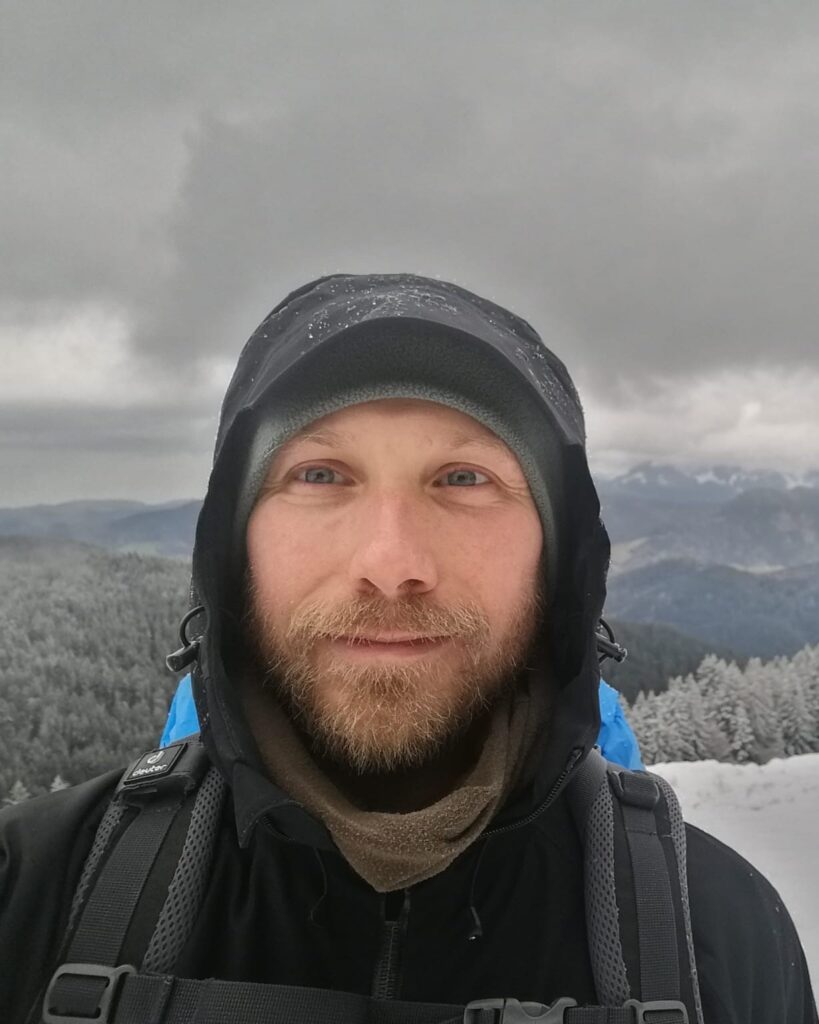
I use modern technology, mainly acoustics and machine learning, to better
understand and protect the natural world. My doctorate at the Technical University
of Munich built acoustic sensing networks across more than 500 sites in the city
and tested whether automated identification could hold up against expert
ecologists, which it did. I am now a postdoctoral researcher at the Max Planck
Institute for Biological Intelligence, working on the blue-throated macaw in the
Llanos de Moxos in Bolivia. Fewer than 450 are left in the wild. Two questions
matter most for management: why nests succeed or fail, and where the birds range
once breeding ends. To address them we are satellite-tagging adults, instrumenting
nests with cameras and acoustic recorders, and surveying candidate habitat with
passive acoustic monitoring. Alongside this we are developing models to identify
individuals acoustically, which should give a finer-grained picture of behaviour
and movement to support the species’ recovery.
In addition to my scientific work, I am building acoustic sensing systems for use
across applications and environments, from hardware in the field to models that
turn sound into actionable insights. Nature Integrity is where most of that work
goes. RARElab, the non-profit I founded, covers the other half
of the research: rare, lost and understudied species, and getting what we find
into conservation practice. I am glad to hear from collaborators, investors and
others working in acoustics and AI across domains.
A smaller strand of work sits outside all of this. Together with my partner
Dr. Annika Neuhaus, who is an
author and
editor, I build tools that help writers
work more efficiently: Draftz, a mobile writing
app built on the idea that great stories don’t always develop at a desk, and
headmark, which helps authors find the right home
for their books and stop missing open submission calls.